Delighted to say that my story ‘Uffington’ has won the 2021 HISSAC short story competition – my first ever competition win.
You can read it here: http://www.hissac.co.uk/uploads/Shorts2021.pdf
Delighted to say that my story ‘Uffington’ has won the 2021 HISSAC short story competition – my first ever competition win.
You can read it here: http://www.hissac.co.uk/uploads/Shorts2021.pdf
It’s been a pretty lean year writing-wise. My decision to enter as many writing competitions as possible has backfired spectacularly, with a tsunami of failures that have penetrated even my rejection-thickened hide.

But two small and very welcome glimmers have come in the form of longlistings in the Cambridge Short Story Prize and the HISSAC Short Story Prize – both for the same story, ‘Uffington’. It’s a story that has been through quite a drawn-out and painful genesis, so I’m delighted it’s received some recognition.
I didn’t progress any further in the first of these competitions, but the second is still in train, so fingers crossed.
This, then, is a state-of-the-nation novel, mainly in the sense of ‘look at the state of this nation’
From my review of Making Nice

Over at the Literary Review I’ve reviewed Ferdinand Mount’s retelling of the Pied Piper story, which I very much enjoyed: https://literaryreview.co.uk/the-spads-tale
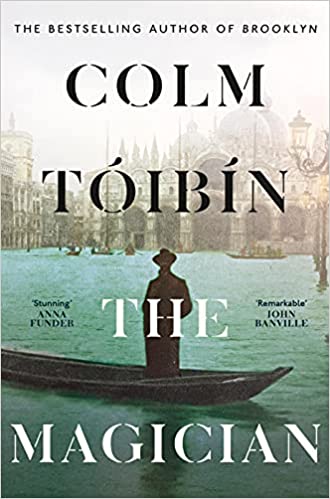
This month I have mainly been reviewing Colm Tóibín’s new novel The Magician, which follows the life and times of Thomas Mann. You can read the review in the Literary Review‘s 500th issue: https://literaryreview.co.uk/thomas-his-brothers

I’ve tried surfing a couple of times. In my 20s I did a course at Croyde surf school and won a ‘Wave of the Day’ medal for catching a wave all the way to the beach (still my greatest achievement). I thought I was pretty good at it, only to be disabused a couple of years ago in St Ives when I couldn’t even get up from horizontal.
Paul Theroux’s new novel, Under the Wave at Waimea, follows the (mis)fortunes of a much better surfer: Joe Sharkey, aka The Shark, as he struggles to come to terms with getting older and the fear that he may never surf again. It includes a guest appearance by the great gonzo journalist Hunter S. Thompson. You can read my review in the Literary Review: https://literaryreview.co.uk/surfing-with-sharks
Many thanks to Alex Pearl for inviting me onto his website for a chat. We discuss writing, reading, Milkman and Mr Bump here: https://booksbyalexpearl.weebly.com/interview-with-ian-critchley.html
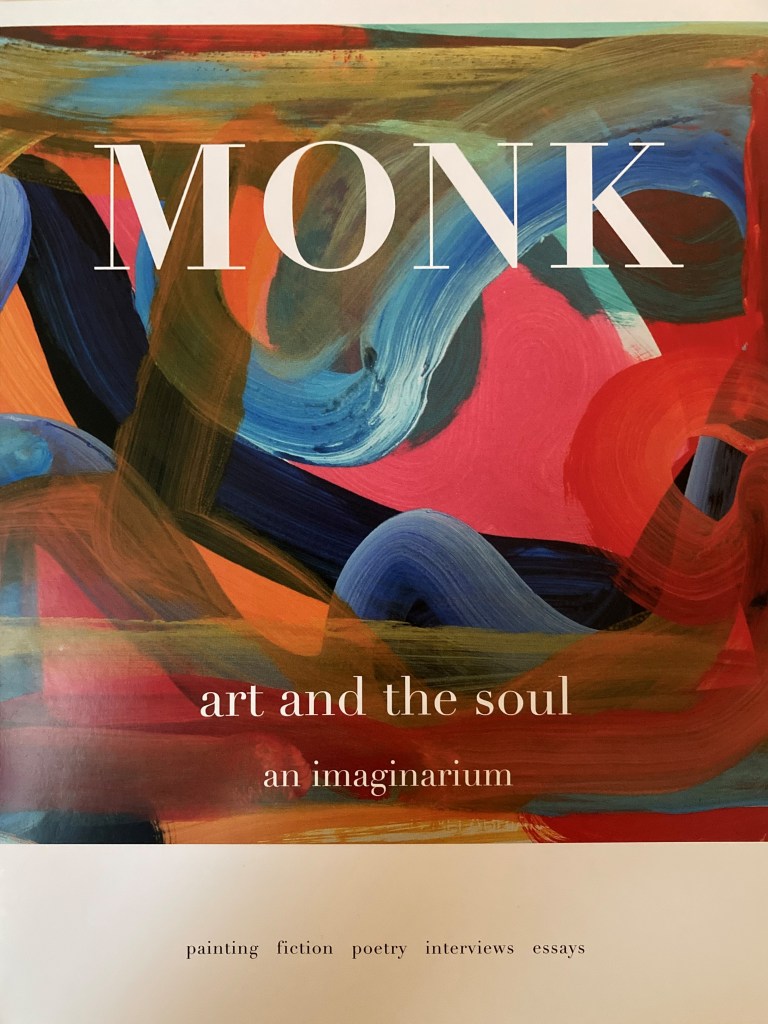
My first book post of 2021 was this stunning new journal MONK. It’s been online for a while now (three issues available at monk.gallery) but this is the first print issue.
And what a delight it is. Beautifully designed, it features fiction and poetry, alongside interviews with artists such as David Somerville (who has provided the cover image), Bloodaxe Books publisher Neil Astley, and Rowan Williams, the former Archbishop of Canterbury.
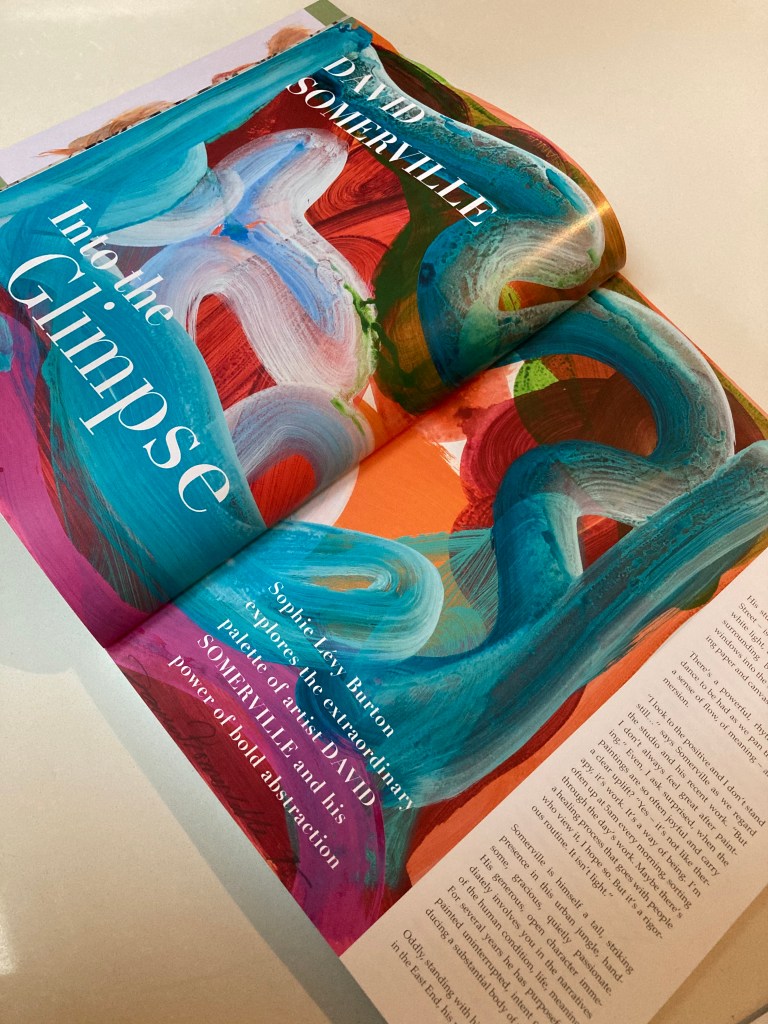
Editor Sophie Lévy Burton writes in her Introduction that ‘MONK dances around the theology of creativity, of why we artists do what we do’. As a whole, the journal is a fascinating mix of art and spirituality, an ‘imaginarium’.
‘MONK dances around the theology of creativity, of why we artists do what we do’.
Sophie Lévy Burton, Editor

Restrictions permitting, MONK is available to buy in selected bookshops, but can also be ordered online. For further details, see http://monk.gallery/monk-anthology/

(Photo by Ed Robertson on Unsplash)
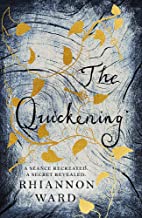
I love a gothic mystery, and The Quickening by Rhiannon Ward (Trapeze) had me gripped. Set in the 1920s, the narrator, a heavily pregnant photographer, is sent to a decaying old pile in Sussex to photograph the contents for auction. But the house was once the scene of a dramatic séance, which is about to be recreated.
My first job in publishing, way back in the mists of time, was on Macmillan’s thirty-volume Dictionary of Art, so I was naturally drawn to Eley Williams’ terrific debut novel The Liar’s Dictionary (Heinemann). It’s ostensibly about the search for fake entries (‘mountweazels’) in an unfinished encyclopedia, but is also a witty love story and a celebration of the power of language.

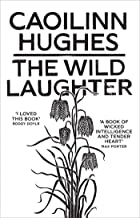
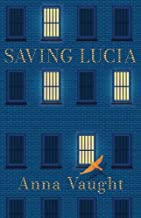
Caoilinn Hughes’ The Wild Laughter (Oneworld) is a tragi-comic story of two brothers trying to deal with their aged father’s dying wishes in post-boom Ireland, while Anna Vaught’s excellent debut novel, Saving Lucia (Bluemoose), tells the story of the unlikely friendship between the Hon Violet Gibson, who attempted to assassinate Mussolini in 1926, and Lucia Joyce, daughter of James, after they were both deemed mentally unstable and sent to the same institution.
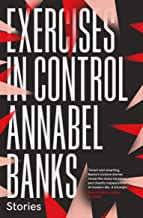
I had never read any of David Constantine’s work before, but his latest collection of short stories, The Dressing-Up Box (Comma Press) left me wondering what had taken me so long. Weird in a very good way, the opening story, in which a group of children barricade themselves in an abandoned house, has haunted me ever since I read it. Annabel Banks’ debut story collection, Exercises in Control (Influx) also stood out.



Despite barely having left the house since March, I was asked by the Sunday Times to do their round-up of the year’s best travel books. There were several gems, but two really stood out. The Lost Pianos of Siberia by Sophy Roberts (Doubleday) is partly a treasure hunt – Roberts was asked by a Mongolian friend to find a piano for her in Siberia – but it’s also a tremendous account of that region’s history and culture, taking in Rasputin, the gulags and the last tsar, among many other wonderful things.
For several years Gareth Rees has run a website called Unofficial Britain (www.unofficialbritain.com), which collects strange stories about places that tend to get overlooked: car parks and flyovers, motorway service stations and tower blocks, industrial estates and power stations. His book, Unofficial Britain: Journeys Through Unexpected Places (Elliot and Thompson), sees him travelling the country in search of more such tales, including the exploits of the Grimsby Ghostbusters, called to deal with a slew of supernatural happenings in the coastal town. These are examples of the new British folklore, he argues, every bit as valuable as the myths and mysteries that swirl around our older buildings and landscapes.

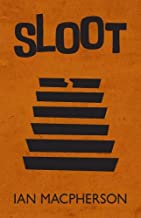

I read some great books this year that were actually published in 2019 and so should technically not appear here, but what the hell – blame it on the pandemic. The Complex by Michael Walters (Salt) is a superbly unsettling, dream-like novel about two families coming together and falling apart in an isolated house, while Ian MacPherson’s Sloot (Bluemoose) is a very funny Celtic screwball noir about a failed stand-up comedian who returns to Dublin for a funeral and gets caught up in a crime caper.
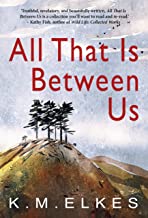
I’m a recent convert to flash fiction, both in my writing and reading, and two collections showcased some of the best examples of the genre: Some Days Are Better Than Ours by Barbara Byar (Reflex) and Ken Elkes’ All That Is Between Us (AdHoc).

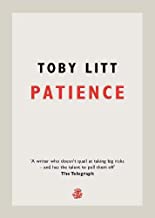
I loved Toby Litt’s Patience (Galley Beggar). Set in an orphanage, it’s narrated by wheelchair-bound Elliott as he observes the daily dramas of his fellow orphans and their carers. Elliott is one of the funniest and most engaging narrators I’ve come across in a long time, and if you want to discover the rules of a game called Sockball, this is the novel for you.
My overall book of the year is Susanna Clarke’s brilliant Piranesi. I loved Jonathan Strange and Mr Norrell and my hopes for her new one were very high. I wasn’t disappointed. Piranesi lives in a house of seemingly endless rooms, filled with huge statues, and with a lower floor inundated by the sea. Every week he meets up with a man known only as the Other. Where is this place? Why are they there? Mysterious and fantastical, it’s a stunning novel.
Delighted to receive my complimentary copy of the H.G. Wells Prize Anthology, with this mesmerising cover. I even got a certificate for being shortlisted! I don’t think I’ll ever get over the thrill of seeing a story in print.
Copies can be bought from:
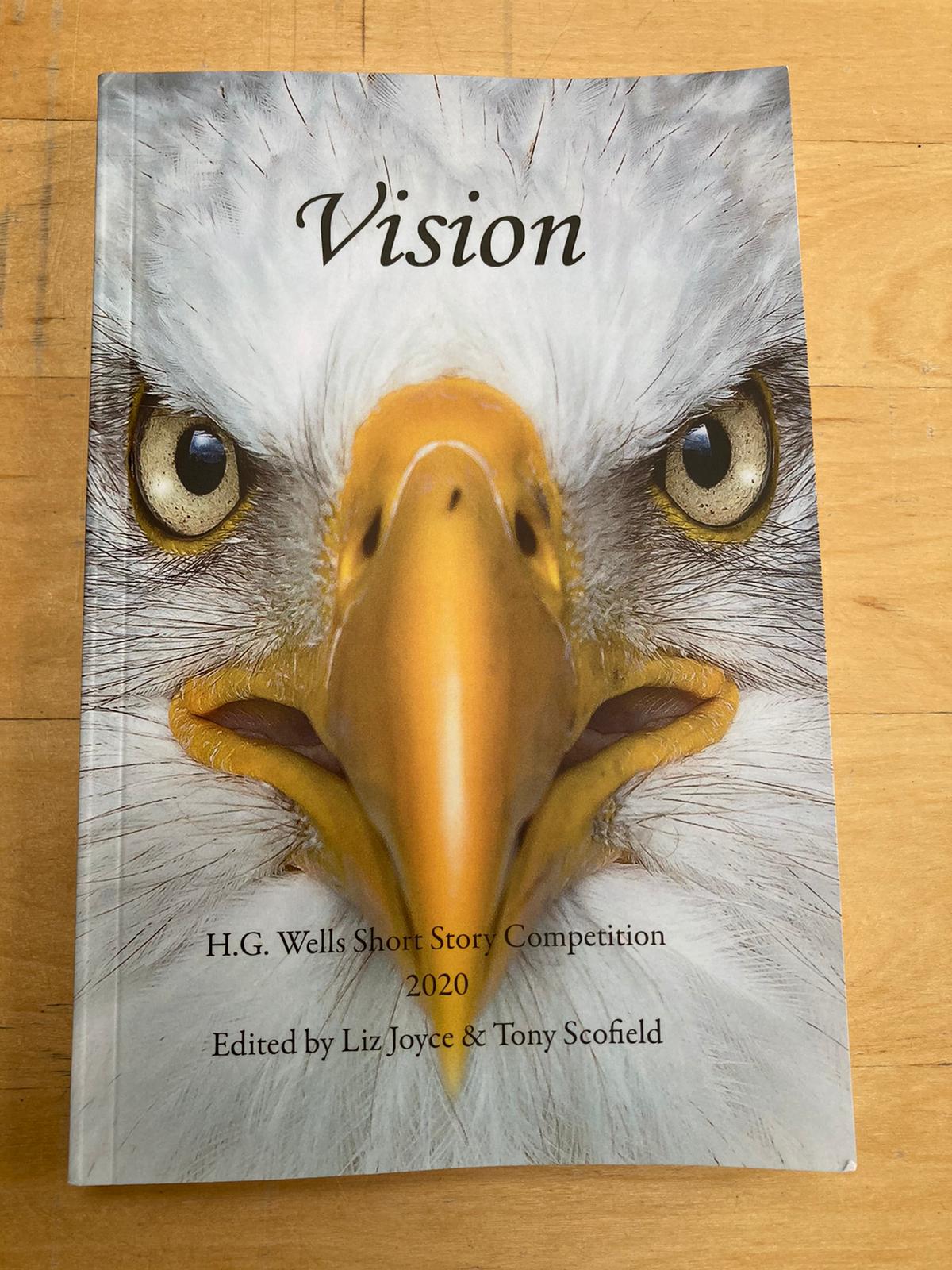
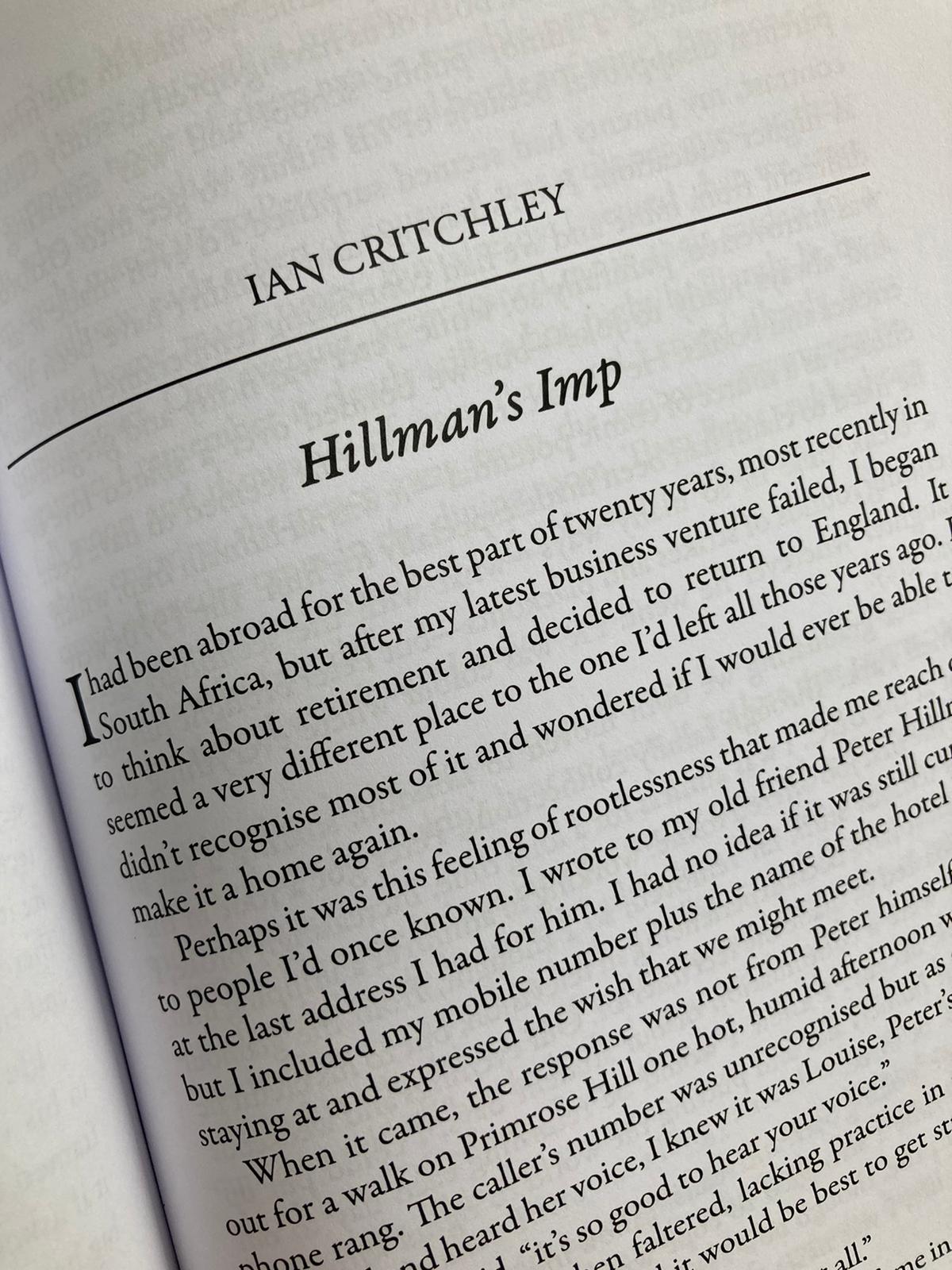
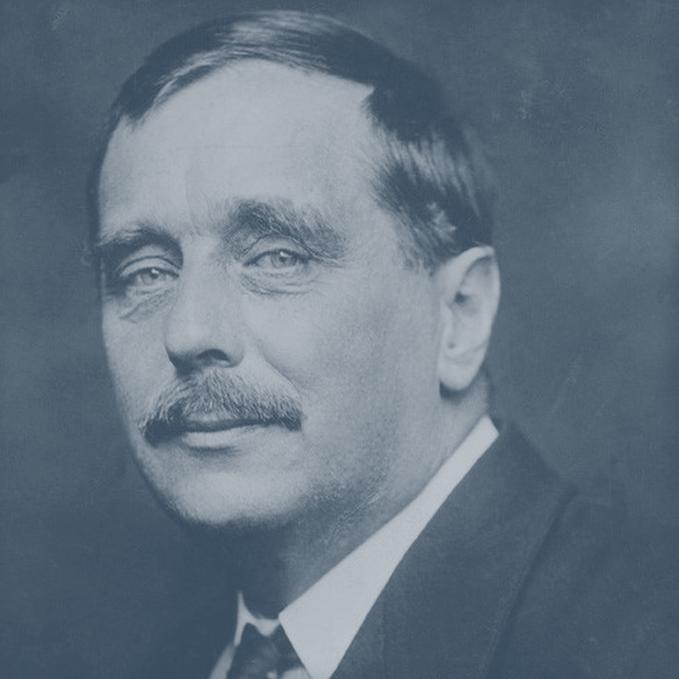
My story ‘Hillman’s Imp’ has been shortlisted for the 2020 H.G. Wells Short Story Competition. £500 up for grabs for the winner, but all the shortlisted stories will be published in an anthology. Results announced 22 November! More details here.
 Ian Critchley